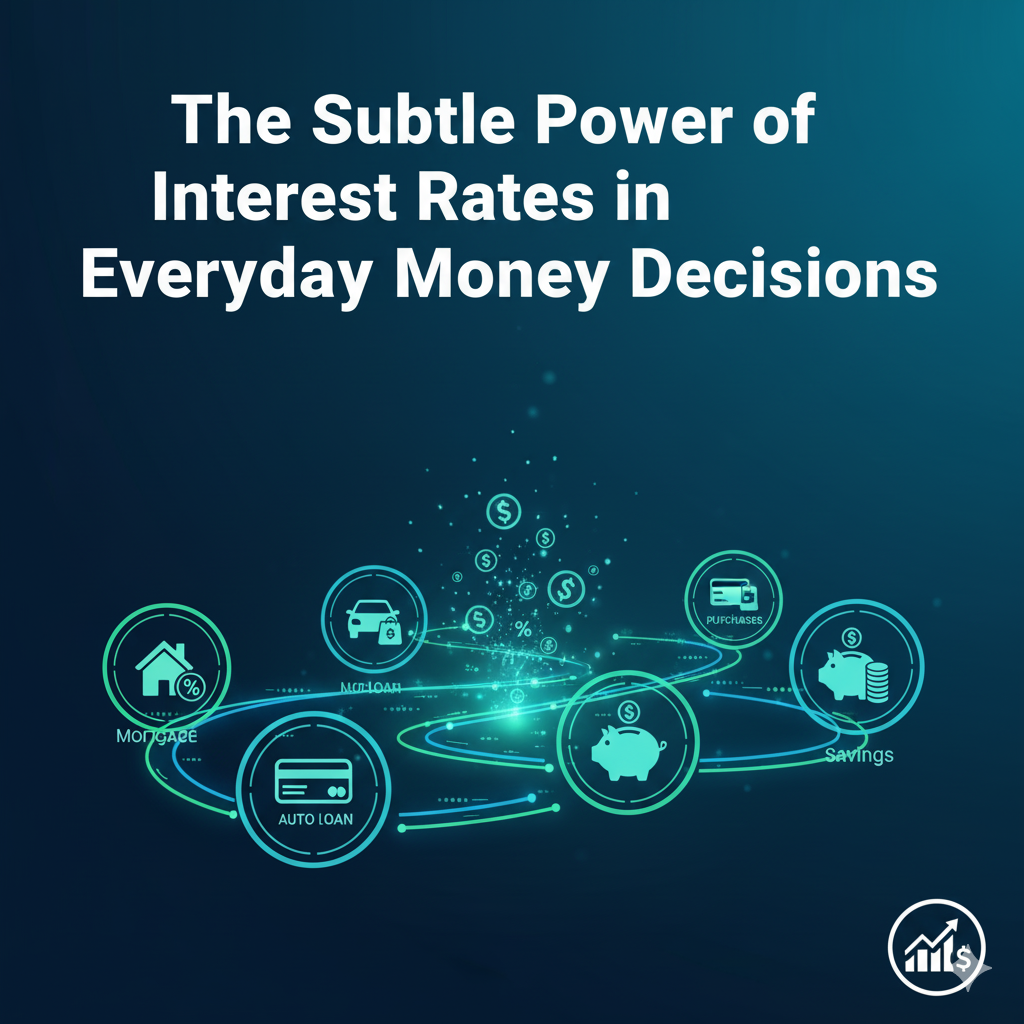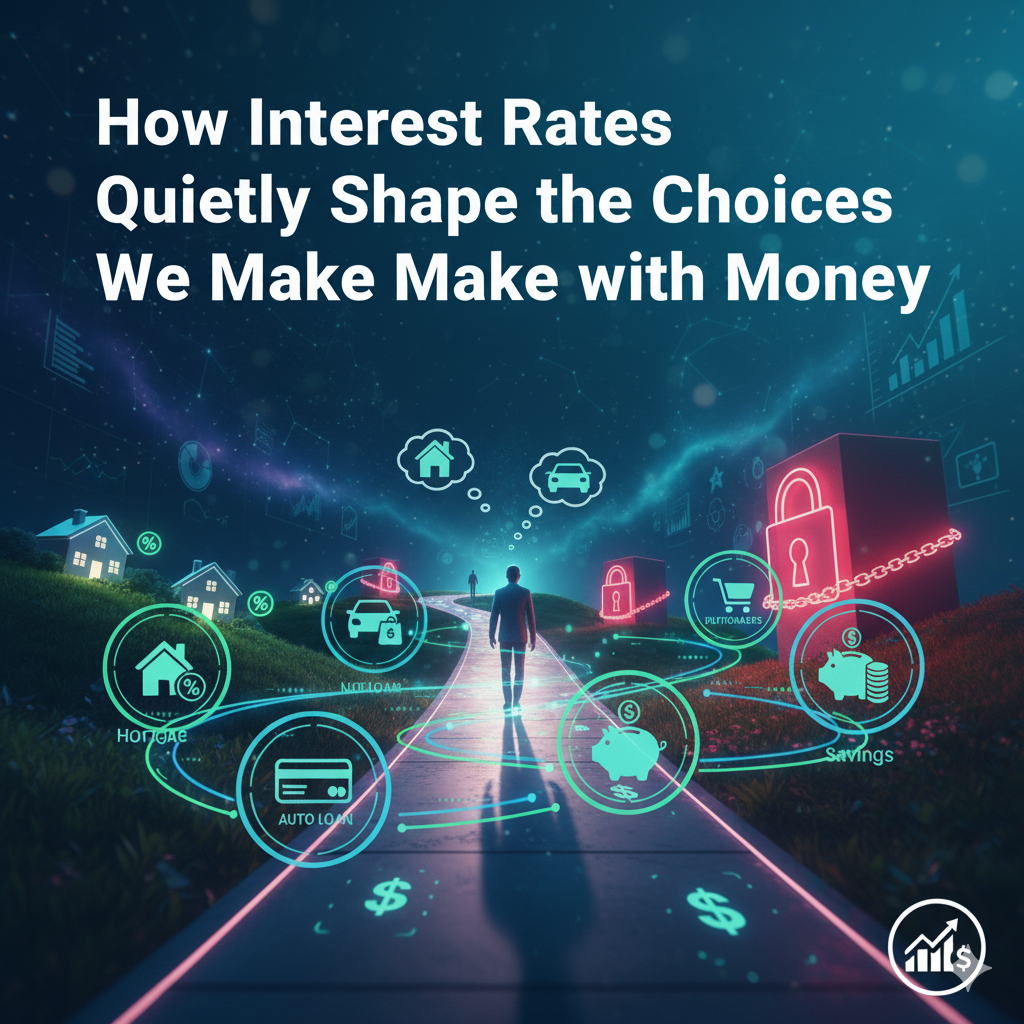
Most people don’t spend their mornings thinking about interest rates, but the truth is that these little percentages are like the weather forecast of our financial lives. Sometimes they bring sunshine, encouraging people to save and invest, while at other times they feel like a sudden storm, making loans expensive and purchases harder to justify. Take something as ordinary as shopping for a new phone. You might be tempted by an easy installment plan offered at the store, but hidden in the fine print is the rate of interest. That number decides whether your phone remains a proud possession or turns into a nagging reminder every time the bill arrives. The choice is not just about desire, it is about cost over time, and interest rates are the invisible ruler measuring it.
When you look at saving, the picture is equally telling. Imagine setting aside money month after month, hoping it grows quietly while you get on with life. The bank, in return, pays you interest, but the experience changes dramatically depending on the rate. At a generous rate, you might smile each time you check your balance, seeing your effort rewarded. At a minimal rate, however, the enthusiasm fades, and the act of saving feels almost thankless. People who might otherwise build strong financial cushions are tempted instead to spend on immediate pleasures, because the long wait for growth does not feel worth it. In this way, interest rates quietly nudge behavior, encouraging patience when high and testing discipline when low.
Borrowing tells another subtle story. Think about families who dream of owning a home. A lower interest rate might make the monthly mortgage resemble a manageable rent payment, allowing dreams to take shape. But when rates rise, the same house can suddenly seem out of reach, as if the walls grew taller overnight. Cars, education, or even small personal loans follow the same pattern, turning on the hinge of a few percentage points. What makes it striking is how these numbers look almost trivial on paper—five percent versus seven percent—but over years they add up to thousands, shifting the entire experience of ownership. What was supposed to bring comfort can bring stress if the interest rate tilts the balance.
Beyond individuals, the effect spreads through neighborhoods, towns, and cities. When borrowing becomes costly, people hold back, choosing smaller purchases or delaying upgrades. Shops may notice fewer buyers, restaurants fewer diners, and travel agents fewer bookings. Lower rates bring the opposite: markets buzz with activity, homes find buyers more easily, and even small luxuries are embraced without guilt. This is why conversations about interest rates often feel like conversations about mood—they capture the collective spirit of spending and saving. What seems like a technical decision made by distant officials actually plays out in the streets, in shopping carts, and in household conversations around the dinner table.
The fascinating part is that ordinary people can influence their own outcomes by paying closer attention. Knowing the current trends, comparing offers, and refusing to accept the first deal presented can make a massive difference over time. Someone aware of how interest works can negotiate a smaller rate on a car loan, or pick a savings account that quietly multiplies their efforts better than others. The difference may not be obvious day to day, but it adds up like drops of water filling a glass. Eventually, what separates financial stress from financial comfort is not luck, but the quiet awareness of how interest rates bend the path of money. Seen this way, these numbers are not just figures in the background—they are guiding stars for anyone who takes the time to notice them.